The AHS Blog
Help the British Museum preserve clocks and watches for now and the future
This post was written Oli Cooke, Curator at the British Museum
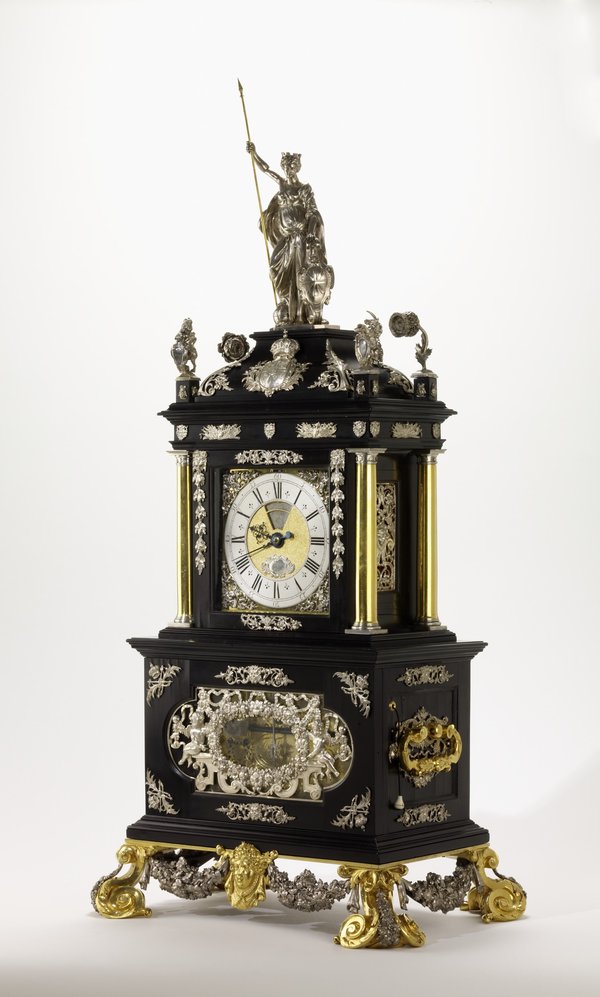
The British Museum is currently running an appeal to raise funds for expanded horological conservation. Let me explain why.
The museum holds one the world’s greatest collections of horology, with more than 8,000 items including 900 clocks, 3,000 watches as well as some 500 scientific instruments. It ranges from ordinary, everyday watches to masterpieces owned by kings and queens, made from the provinces of Britain to the furthest reaches of the globe, and from the dawn of mechanical horology to the present day.
The breadth and depth of the collection is remarkable and enables the Museum to communicate the global history, development and significance of horology like nowhere else.
The Sir Harry and Lady Djanogly Gallery of Clocks and Watches is the only gallery in the Museum with working objects and is alive with spinning wheels, living automata, oscillating pendulums, ticking, chiming and music, making it one of the most popular galleries.
Visitors spend more time engaging with working instruments and, for the keen student, there is no substitute for seeing a clock movement in action to gain an understanding of how it works.
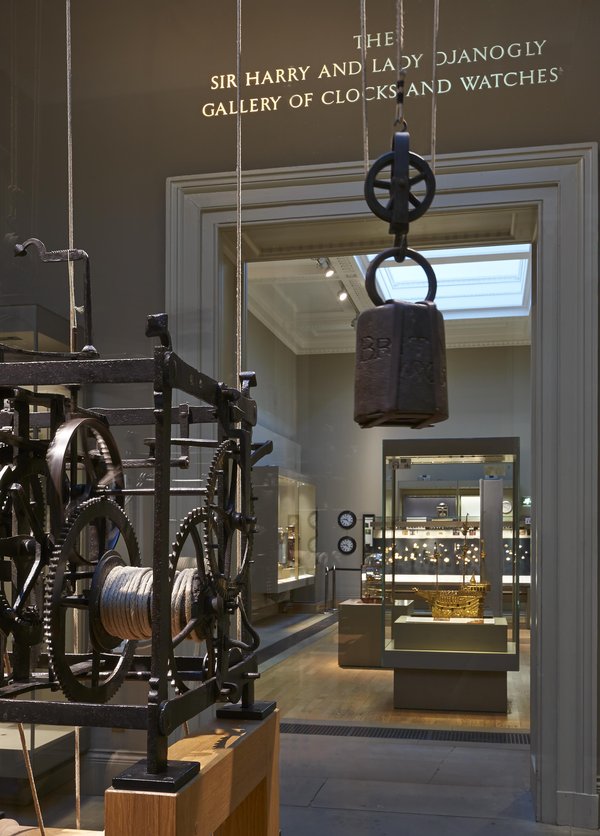
You will find about 100 clocks and 90 watches in the gallery - we cannot possibly display all 8,000 items in the collection, but every single one is publicly accessible. Firstly, through the Museum website collection page and, if you need to view something in the metal, you can make an appointment to visit to the Horology Study Room.
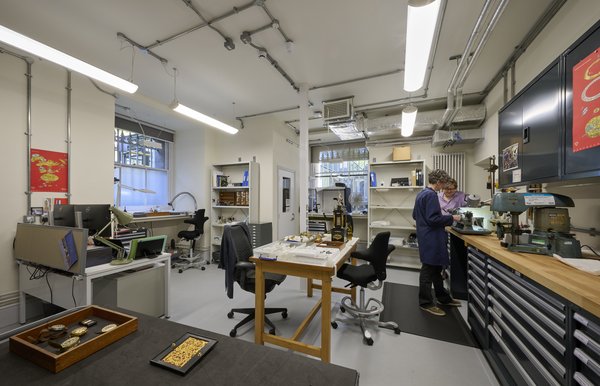
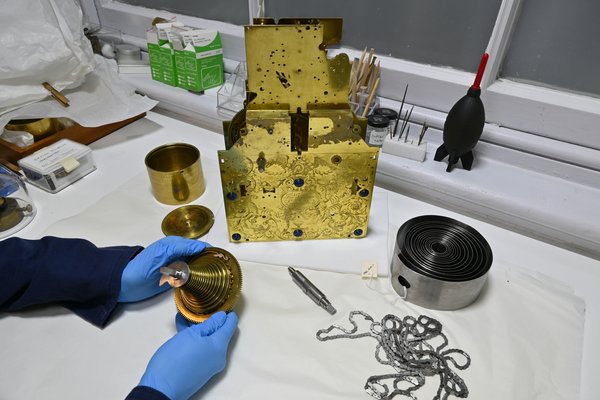
Like all objects in the Museum, clocks and watches are subject to the ravages of time and must be looked after. Unlike most other objects, however, working machines require additional efforts. The British Museum is the only museum in the UK with specialist curator-conservator-horologists: Oliver Cooke and Laura Turner, both qualified horologists. However, caring for 8,000+ items is no mean feat. Clocks and watches contain delicate components and maintaining them demands dedication and meticulous attention to detail. Fortunately, a clock or watch in its dismantled state is the perfect time to study and record it in detail, and each piece can absorb many hours of work.
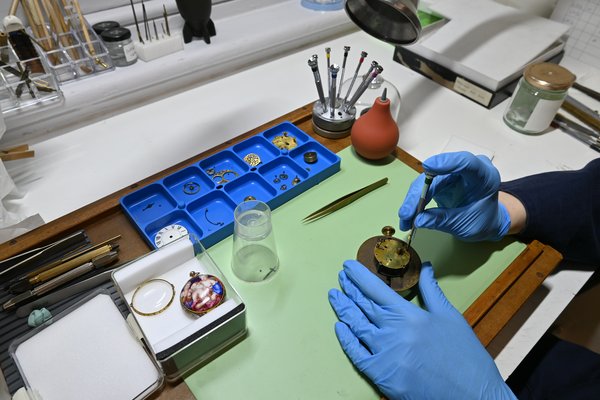
The fact is that we simply cannot keep up. The high volume of work can only be handled by adding more pairs of hands.
We are therefore asking for your support in building a fund that will enable us to recruit a specialist conservator. This will be a valuable investment in research, conservation and training. It is a fantastic opportunity for somebody to gain experience working on such an unrivalled collection.
Please visit britishmuseum.org/preserve, where you can donate via the Donate as a Member portal (even if you are not a member) or get in touch with me and I will be very glad to assist. It would be wonderful to recruit help in making yet more clocks and watches come to life in the gallery. Thank you.
Oliver Cooke, AHS Member and Curator of Horology, Department of Britain, Europe & Prehistory, British Museum.
Contactable at ocooke@britishmuseum.org or +44 20 7323 8324